
The National Organ & Tissue Transplant Organization (NOTTO) is spearheading a multi-pronged strategy that not only focuses on raising public awareness about organ donation but also on preventing organ damage through proactive health measures. This effort combines a robust awareness booklet, guidance on traditional Indian health systems, and a compilation of best practices from states to foster a culture of organ donation and organ health.
The campaign is built on the principle that “Organ donation is the gift of life — one selfless act can save multiple lives”. Organ donation can be made by living individuals (e.g., a kidney or part of the liver) or deceased donors, including those who are brain stem dead.
Organ Donation Awareness Booklet
The booklet highlights the crucial importance of deceased donors, especially those who are declared brain stem dead (BSD). Brain stem death occurs when the brain stem, which controls vital functions like breathing, stops working completely and irreversibly. While a person who is brain stem dead cannot breathe on their own, machines can be used to keep their heart beating and blood flowing for a short period, allowing time for organs to be retrieved for transplantation.
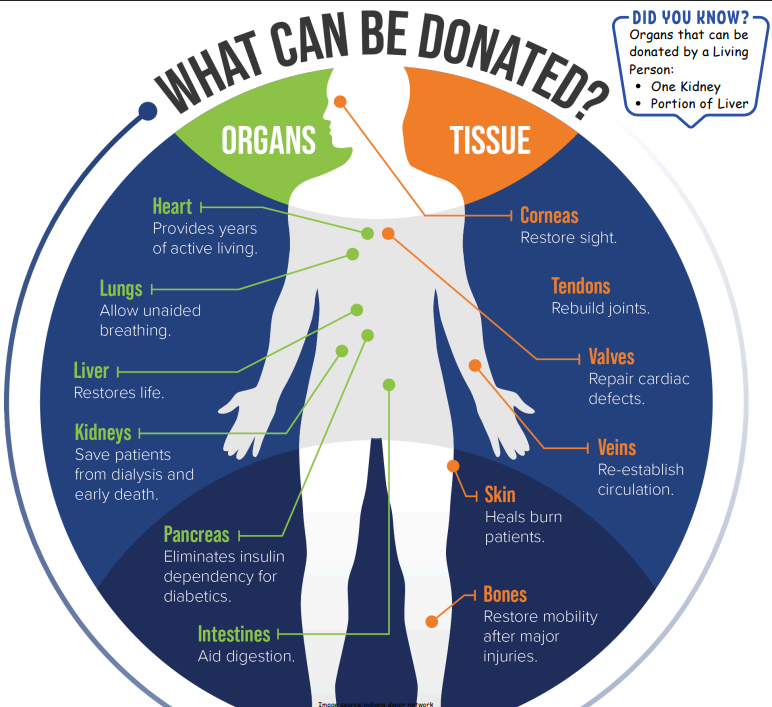
The booklet notes that brain stem dead individuals constitute the largest pool of organ donors globally, but in India, this accounts for only about 5-6% of donations. One BSD donor can save and transform multiple lives by donating several organs and tissues.
Preventing Organ Damage with Ayurveda and Yoga
In a unique approach, the initiative places a strong emphasis on preventing organ failure, which is the primary cause of transplant demand. A dedicated booklet on “Promotion of Organ Health through Ayurveda and Yoga” outlines how these traditional systems offer comprehensive strategies for preventing chronic diseases and maintaining organ wellness. The core principle is that health is a dynamic equilibrium across all levels of being—physical, mental, and spiritual.
The campaign identifies key modifiable risk factors for organ damage, including poor diet, a sedentary lifestyle, poor sleep, tobacco and alcohol use, and chronic stress. It encourages the integration of Ayurveda and Yoga into mainstream health promotion strategies to address these lifestyle disorders and reverse early organ dysfunctions. The booklet provides practical guidance on diet, daily routines, medicinal plants, and specific Yoga practices for organ-specific wellness.
Best Practices implemented by States/Union Territories on Organ donation and Transplantation
To increase organ donation rates, the campaign works to demystify the process by debunking common myths:
Myth: Donating an organ will make a person handicapped or unable to lead a normal life.
Fact: Donors are carefully screened and, with proper care, can live a healthy and normal life. A person can, for instance, live a normal life with just one kidney or a part of their liver.
Myth: Organ donation affects a person’s ability to get married or have a job.
Fact: There is no scientific evidence to support this, and most donors recover fully and return to their regular activities.
The campaign reiterates that the selling or purchasing of organs is illegal and punishable by law in India.
To pledge for organ donation, individuals must be 18 years or older and can register online at the NOTTO website. The process requires Aadhaar and OTP verification. However, the campaign emphasizes that this is a registration of intent, and family consent remains mandatory for donation to proceed after death. For any information on organ donation and pledging, a 24×7 toll-free helpline, 1800-11-4770, is operational.
In a move to share successful strategies, NOTTO has also compiled best practices implemented by various States and Union Territories, highlighting successful models in places like Chandigarh, Delhi, Gujarat, and Tamil Nadu. The campaign’s central call to action remains clear: “Pledge today, so someone can live tomorrow. Be an organ donor”.